
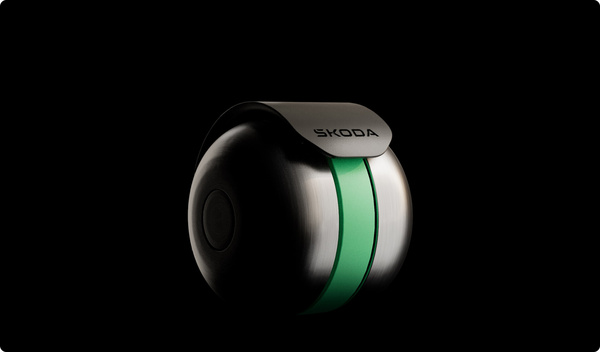
Better known for its cars, part of the VAG group, Skoda has developed an invention that we perhaps didn't even realize we needed - but which seems ingenious.
Skoda's engineers have developed a bicycle bell which rings in such a way that it manages to bypass the algorithms of noise-cancelling headphones used by pedestrians.
Nowadays, there is a huge number of pedestrians using noise-cancelling headphones in traffic, who probably follow car traffic, but not so much cyclists. And in many countries pedestrians and cyclists have traditionally been made to use the same pathways.
This, of course, leads to the problem that when a cyclist tries to warn a pedestrian with their bell, the pedestrian using noise-cancelling headphones may not hear the bell's sound at all.
Instead of just making the bell louder, the company's engineers decided to make it smarter instead. Researchers found that virtually all noise-cancelling headphones let sounds through in a specific frequency range (between 750 Hz and 780 Hz).
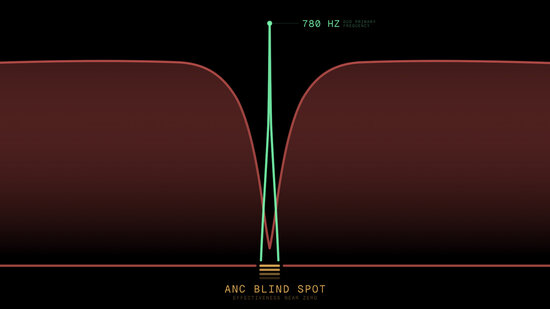
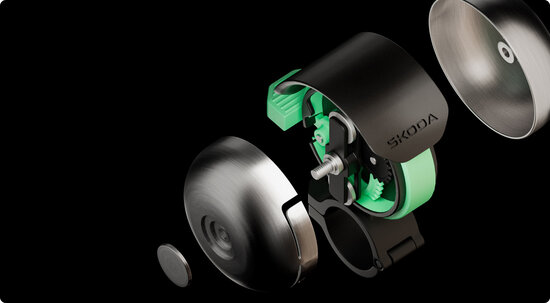
So Skoda's new bicycle bell, the DuoBell, emits sound both in that frequency range and in the frequency range produced by traditional bells (hence the "duo" part of the name). In addition, the bell's "hammer" intentionally produces an irregular sound wave that noise-cancelling headphone algorithms do not have time to recognize - and block.
The solution is completely analog, meaning the bell contains no electronics at all.
The company published a separate research report (PDF) on the topic, and based on it, other companies are free to develop similar solutions.
The DuoBell was tested in real life in London, where they were distributed to local food delivery riders. The bell proved so effective that the food delivery riders wanted to continue using them even after the testing period.
Nowadays, there is a huge number of pedestrians using noise-cancelling headphones in traffic, who probably follow car traffic, but not so much cyclists. And in many countries pedestrians and cyclists have traditionally been made to use the same pathways.
This, of course, leads to the problem that when a cyclist tries to warn a pedestrian with their bell, the pedestrian using noise-cancelling headphones may not hear the bell's sound at all.
Instead of just making the bell louder, the company's engineers decided to make it smarter instead. Researchers found that virtually all noise-cancelling headphones let sounds through in a specific frequency range (between 750 Hz and 780 Hz).
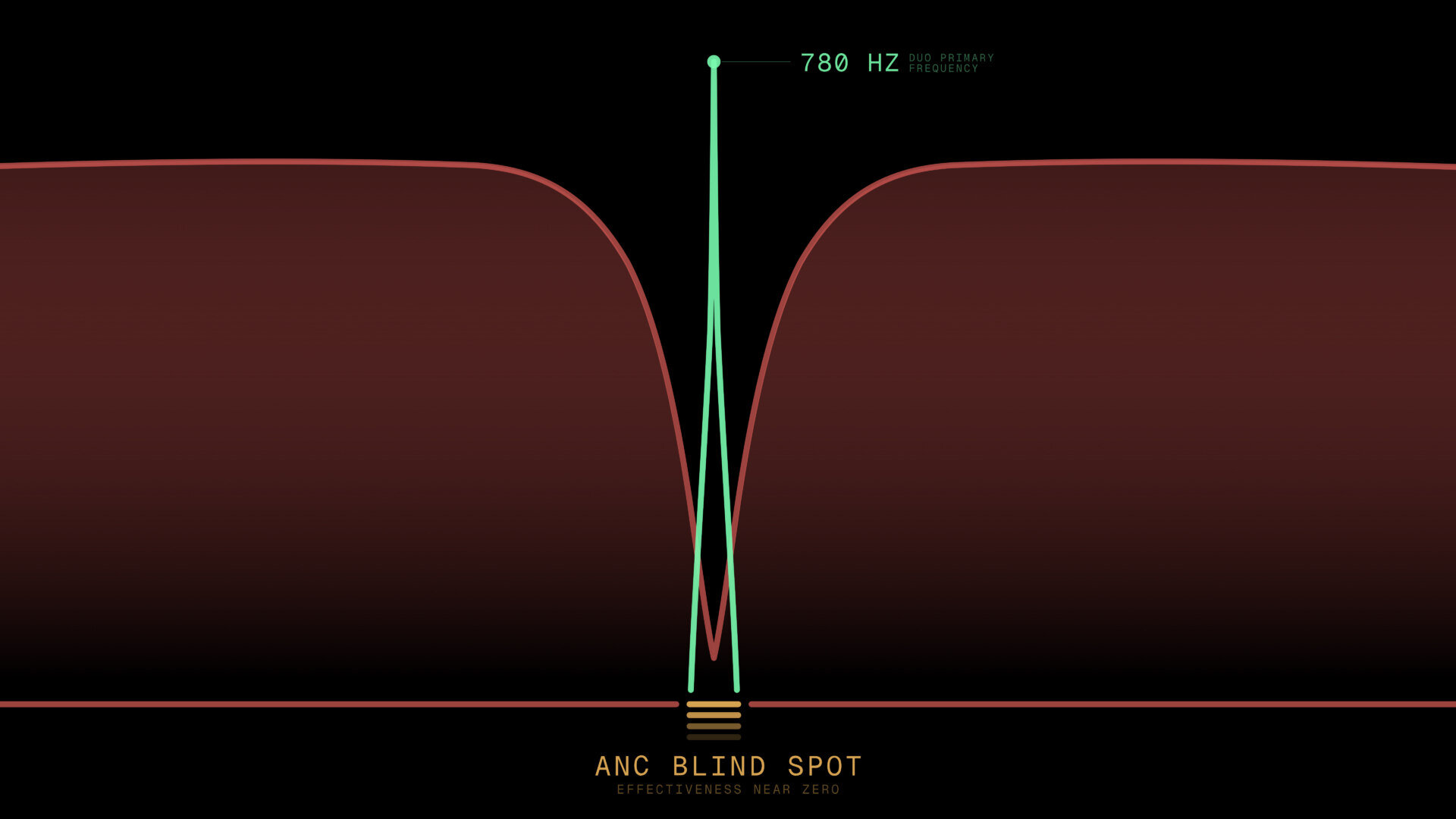
So Skoda's new bicycle bell, the DuoBell, emits sound both in that frequency range and in the frequency range produced by traditional bells (hence the "duo" part of the name). In addition, the bell's "hammer" intentionally produces an irregular sound wave that noise-cancelling headphone algorithms do not have time to recognize - and block.
The solution is completely analog, meaning the bell contains no electronics at all.
The company published a separate research report (PDF) on the topic, and based on it, other companies are free to develop similar solutions.
The DuoBell was tested in real life in London, where they were distributed to local food delivery riders. The bell proved so effective that the food delivery riders wanted to continue using them even after the testing period.